Skincare or Skin Scare? 6 Viral Routines That May Be Doing More Harm Than Good

Updated: Jul 27
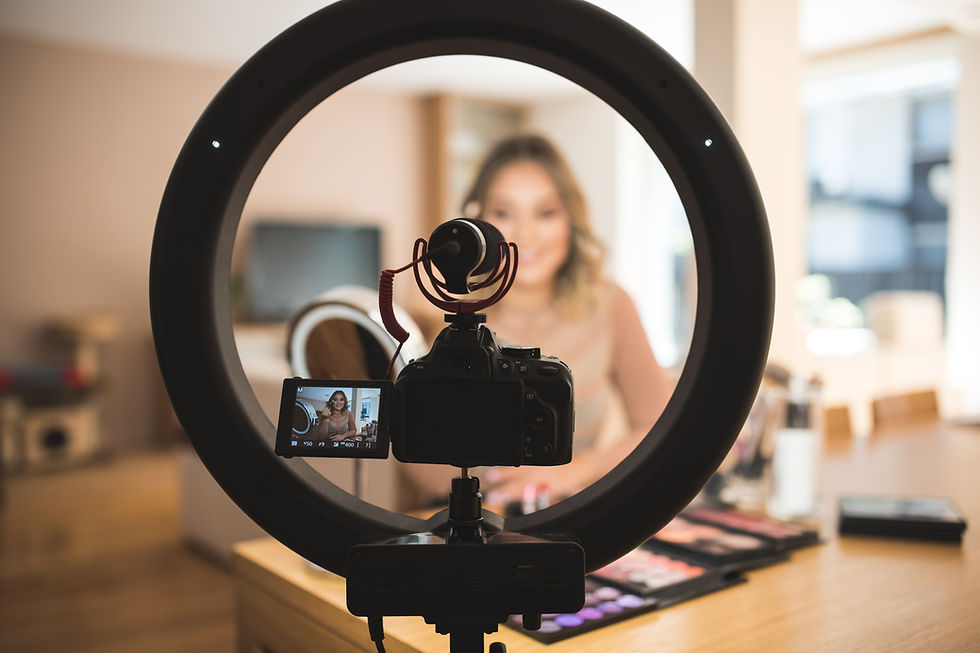
Social media has transformed the beauty industry into one of the fastest-moving trend machines in the world. In less than a minute, a viral video can spark a global skincare craze, sending thousands of people rushing to buy a product, try a new tool, or completely overhaul their routine. While some of these trends have merit, others are based on incomplete information, flawed assumptions, or techniques that are simply unsafe without professional guidance.
As a Master Esthetician, I meet patients every week who have unintentionally irritated, sensitized, or even damaged their skin by following these “must-try” trends & hacks. Today, I am breaking down six of the most popular skincare routines currently flooding your timeline, why they may be more harmful than helpful, and what science (and years of hands-on experience) says you should be doing instead.
1. At-Home Dermaplaning
Professional dermaplaning is a precise mechanical exfoliation technique that uses a sterile, straight-edge scalpel to remove dead skin cells and fine vellus hair aka “peach fuzz” from the surface of the skin. Peach fuzz removal is simply an added bonus, the real goal is smoother texture, brighter skin, and improved product absorption.
On social media, at-home dermaplaning often features inexpensive “tinkle” razors, questionable sanitation, and little understanding of skin anatomy. These serrated blades do not truly exfoliate the epidermis; they primarily shave hair. Without proper technique, they can cause micro-cuts, spread bacteria, over-exfoliate, and damage the skin barrier.
The safer route: Leave dermaplaning to a professional. In the treatment room, tools are sharper, sterile, and used with techniques that deliver true exfoliation without unnecessary trauma.
2. Skin Cycling Based on the Menstrual Cycle
Cycle syncing skincare involves adjusting your products according to the four phases of the menstrual cycle: follicular, ovulatory, luteal, and menstrual. While hormone fluctuations can influence oil production, sensitivity, and inflammation, the idea that everyone’s skin changes in the same way on the same schedule is overly simplistic.
Switching products weekly can destabilize the skin and reduce the benefits of active ingredients like Vitamin A and Vitamin C, which require consistent use to be effective. Because our bodies do not produce these vitamins naturally, the skin must acclimate over time. Constantly changing products keeps it in a perpetual adjustment phase. The safer route: Stick to a consistent core routine and adjust only when you notice actual changes in your skin. For regular hormonal breakouts or dryness, work with a licensed skin professional to create a customized plan.
3. At-Home Microneedling
Microneedling is a powerful treatment for stimulating collagen, improving texture, and enhancing overall skin health. Professionally, it is done with sterile, medical-grade devices that control needle depth and speed under strict sanitation standards.
At home, the risks increase dramatically. Many consumer dermarollers are made from low-quality metal that can bend or dull quickly, creating jagged tears rather than clean microchannels. There is also no control over needle depth with these devices which could render an ineffective treatment or a dangerous one depending on the facial anatomy. Most importantly, without proper sterilization, bacteria can be introduced deep into the skin, leading to infections or scarring.
The safer route: Reserve microneedling for a professional setting, where the treatment is safer, more precise, and far more effective.
4. Beef Tallow as Moisturizer
Beef tallow, or rendered animal fat, is trending as a “natural” moisturizer. While it contains fatty acids similar to those in human sebum, it is highly occlusive, which means it can trap sweat, oil, and bacteria beneath the surface. This often leads to congestion and breakouts, particularly for acne-prone skin.
There is also the matter of product stability. If tallow is not processed or stored correctly, it can become rancid, which is both unpleasant and potentially irritating to the skin.
The safer route: Opt for moisturizers containing ceramides, squalane, and peptides. These ingredients mimic the skin’s natural lipids and support barrier health without the hygiene and stability concerns.
5. The Caveman Method (Skin Fasting)
Skin fasting, or the caveman method, involves avoiding all skincare products, even cleansers, in the belief that the skin will “reset” itself. While the skin does have its own repair mechanisms, it is still exposed to environmental stressors such as UV radiation, pollution, and debris. Neglecting basic care can lead to a buildup of oil, dead cells, and bacteria, which can cause congestion, inflammation, and barrier
impairment.
There are times when scaling back on active ingredients makes sense, but the foundational basics should always remain in place. The safer route: Minimalism is fine, but complete neglect is not. Even the simplest routine should include a gentle cleanser, a moisturizer, and daily sunscreen.
6. Full Skincare Routine on an Airplane
In-flight skincare routines are trending, with passengers applying layers of toners, serums, masks, and creams mid-flight for hydration. While airplane cabins are dry, they are also filled with recirculated air and bacteria. Repeatedly touching your face in that environment increases the risk of irritation and breakouts.
Over-layering products in low humidity can also make dehydration worse once you land. The goal on flight is to trap in the good and keep out the bad.
The safer route: If possible, complete your skincare routine before leaving for the airport. If you need to apply products on board, keep it minimal: hypochlorous acid for antibacterial protection, a hydrating mist or serum, and a rich barrier cream. Add sunscreen if you are seated by a window, as UV rays can still penetrate at cruising altitude.
Parting Perspective
Trends can be fun to watch, but skin health requires a thoughtful, individualized approach. What works for an influencer in a 30-second video is not necessarily what your skin needs. Your skin is unique, and preserving its health takes consistent, evidence based care!
Before adopting a viral routine, ask yourself whether it is safe, supported by credible information, and appropriate for your skin type. Better yet, consult a licensed professional who can design a plan tailored to your goals and lifestyle.
Beautiful, healthy skin is rarely the result of a single trick, it is the outcome of consistent, informed care over time.


Comments